If you're evaluating a casino platform to launch or scale a US operation, you're probably running into the same wall every operator hits eventually: almost everything written on this topic assumes you're pursuing a state-licensed, real-money build. This guide is written for the operator who isn't, or can't, or doesn't want to. It covers the social-casino route that the overwhelming majority of US operators actually run, how the model works operationally, what to evaluate in a platform, and a verification framework that most comparison guides skip entirely. If you're still working out how to choose a casino platform that specifically fits a sweepstakes-style operation, rather than a licensed real-money build, this guide walks through that decision end-to-end.
What "Casino Platform" Actually Means for US Operators

A casino platform, at the operator level, is the software stack that runs your player-facing product, the game library, account management, payment processing, and the back-office tools that let you actually run a business on top of it. The term gets used loosely across the industry, but US operators face a genuine fork before they can evaluate any specific vendor.
Real-Money iGaming vs. Social-Casino Platforms — The Operator Distinction
Real-money iGaming requires a state gaming license, RNG certification, significant upfront capital (often six figures), and a multi-month regulatory process; it's only viable in the handful of states that have legalized online casino gambling. Offshore real-money operators instead pursue licenses from bodies like Curaçao, the Malta Gaming Authority, or the UK Gambling Commission, a path that doesn't apply to US-facing social-casino operations at all. The social casino platform model works differently. It runs on a dual-currency structure, free promotional play alongside purchasable credits, under sweepstakes promotional law rather than gambling regulation, which is why it's accessible in far more states without a gaming license. Games Island operates squarely in this second category, distributing operator access to existing social-casino platforms, sometimes referred to as a sweepstakes casino platform specifically, rather than building or licensing real-money software.
Who This Guide Is Written For
This is for US casino operators, multi-platform aggregators, and prospective B2B partners deciding whether to launch or expand a social-casino operation, not players, and not operators already committed to a state real-money license.
The Social-Casino Platform Model, Explained
Here's how the model actually runs operationally, not as a theory, as the sequence our team walks operators through every week.
A new operator account starts with credential issuance, master distributor, or agent-level access tied to specific platforms in the catalog. From there, players deposit via crypto rails; settlement typically occurs within minutes, rather than the days it takes with a traditional card processor, and those funds are converted to the platform's virtual currency.
Players access the game library, slots, fish tables, and skill games, depending on which platforms the operator has selected through game aggregation across the catalog rather than a single licensed title. Any prize-eligible winnings move through a redemption flow that requires KYC and AML checks before payout.
What trips up new operators most often isn't the deposit side; it's underestimating how much attention the redemption and KYC steps need before launch, not after. Set up itself, from signed agreement to a live, funded player account, typically takes a matter of days rather than the weeks operators expect, given a software-development mindset.
The piece that consistently surprises first-time operators is realizing how much of the actual work is in player support and redemption handling, not in the platform technology itself, since the technology is already built and running, and the credit economics behind that handling follow a fairly standard wholesale-to-retail structure once you understand the basics.
If you're ready to see what that onboarding sequence looks like for your specific situation, learn how to get started as a sweepstakes operator.
What to Look For in a Casino Platform (Operator Evaluation Criteria)
Most guides hedge on this with vague advice like "look for a good library." Here's what we actually tell operators to check, and what good looks like for each.
|
Criterion |
Why It Matters |
What "Good" Looks Like |
| Game catalog breadth + third-party coverage | Determines player retention and how many genres you can serve | Access to multiple established platforms, Fire Kirin, Juwa, Vegas X, Orion Stars, not a single-title build |
| Deposit + redemption flow, crypto rails | Settlement speed directly affects player trust and reload behavior | Crypto deposits clearing in minutes, transparent wallet support, no opaque processing delays |
| Player account management (PAM) / back office | You need to actually run the business day to day | A back office that shows real-time balances and activity without filing a support ticket for basic tasks |
| Multi-site / multi-brand support | Matters if you're scaling beyond one operation | Native support for managing multiple platforms or brands from one account relationship |
| Uptime, support model, response SLAs | A platform that's down or unsupported costs you players permanently | A real, reachable support channel with a stated response standard, not just an inbox |
| Onboarding speed (time to first live player) | Capital sitting idle during a slow launch is a real cost | Days, not months, from signed agreement to a funded, playable account |
| Credential security + data/account portability | You need confidence your access and player data are protected and not locked to one vendor relationship | Clear ownership of your credentials, documented security practices |
| Compliance posture, accurate framing | The single biggest reputational and legal risk in this space | Brand-safe copy and terms that never lean on real-money casino language |
A casino platform provider that can't speak clearly to all eight of these, especially the redemption flow and credential security rows, which operators routinely underweight in favor of just counting game titles, isn't ready to be trusted with your player base. Two platforms worth understanding in detail when you're weighing fish-table-heavy versus slot-leaning operations are FireKirin, strong for fish-table coverage, and VegasX, a broader slot-leaning catalog, both accessible through the same operator relationship.
The broader landscape of online casino platform providers is too wide to cover on a single page. Browse the full catalog of sweepstakes platforms available to operators.
Build, Buy, or White-Label? Deployment Models Compared
There are three real routes to market, each suited to very different operator profiles.
|
Route |
Best For |
Trade-Off |
| Custom build | Operators with significant capital and a long timeline who want full IP ownership | Months to over a year to launch; six figures or more; you own and maintain everything |
| White-label / turnkey | Operators who want their own brand on top of existing infrastructure | Faster than custom, still real upfront cost; less backend flexibility than a full build |
| Joining an established catalog (distributor route) | Operators who want to launch fast without development risk | Less brand-level backend control; you're working within an existing platform's structure |
A turnkey casino platform still typically requires meaningful upfront investment compared to the distributor route, since you're paying for a dedicated build even if it's pre-packaged. A white label casino platform sits in a similar middle ground, faster than custom but still carrying real setup costs. For most US operators without six figures and a year to spare, joining an established catalog through a verified distributor is the realistic starting point, and it's the route Games Island operates in directly. This is a meaningfully different calculation from that faced by real-money operators, where GGR-based licensing fees and certification costs add an entirely separate layer of overhead that the social-casino route avoids.
For the complete picture of what launching this way looks like end-to-end, check out our dedicated guide to starting a sweepstakes business.
Crypto-Ready Casino Platforms — Why Deposit Rails Matter
Crypto isn't a nice-to-have bullet point on a sales page; it's the structural reason the social-casino model works as well as it does in the US. Traditional card processing for this category carries higher decline rates and slower settlement, banks and processors are often cautious about anything adjacent to gaming, which creates friction at exactly the moment a player is trying to fund an account.
A crypto casino platform sidesteps that friction almost entirely. In practice, we've seen crypto deposits settle in minutes, whereas a comparable card transaction might take a day or more to clear, or be flagged and declined outright depending on the issuing bank's risk policies. That speed difference compounds over time, since a player who hits friction on their first deposit attempt is far more likely to abandon the platform than one who's funded and playing within minutes.
Before committing to any platform on this basis, verify three things directly: which coins and wallets are actually supported, what the real settlement window looks like under normal conditions rather than best-case marketing claims, and how KYC is handled specifically at the redemption stage, not just at signup.
Before You Commit — Pre-Launch Checklist for US Social-Casino Operators
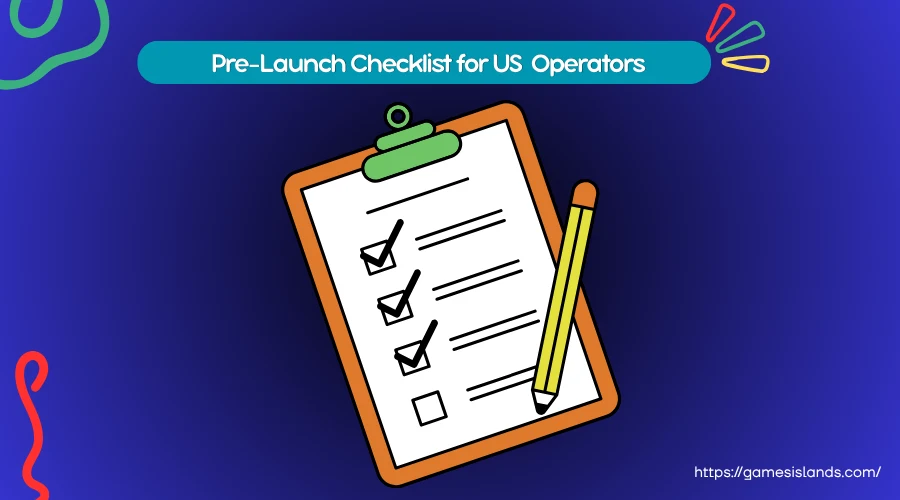
This is the step most generic platform guides skip entirely, and it's where new operators run into the most avoidable trouble. A quick caveat before the list: this is general guidance, not legal advice; operators should confirm their specific jurisdiction with counsel before launching.
- Confirm the state legality footprint for your target markets. The legal landscape for sweepstakes models shifts regularly. Check current status before committing marketing spend to any single state, and review your specific state's gaming authority for any current guidance, since enforcement posture varies meaningfully by jurisdiction.
- Build a genuine no-purchase-necessary entry path into the model. The FTC's guidance on sweepstakes promotions is the baseline reference for what a real AMOE path requires: free, equally accessible, and offering the same odds as any purchase-based entry.
- Keep all copy free of "real-money casino" or "gambling" framing. This is a social casino, and the language used in marketing and terms matters as much as the underlying mechanics.
- Define the KYC and redemption process before launch, not after. This is the single mistake we see most often, and it's almost always avoidable. Operators who treat redemption as an afterthought consistently run into the messiest, most reputation-damaging problems once real players start winning and trying to cash out.
- Verify credential security and who actually controls player accounts. Know exactly what you own and what the vendor controls before you're relying on that relationship under pressure.
- Vet the vendor. A traceable company, real and reachable support, and transparent pricing. If a vendor can't clearly explain where their platform access actually comes from, that's the moment to walk away, not after you've already paid.
Find a sweepstakes vendor in your state
How Games Island Works as Your Casino Platform Partner
Games Island operates as a verified distributor with direct access to 20+ platforms, including Vegas-X, Fire Kirin, Orion Stars, Juwa, Milky Way, River Monster, and Ultra Panda, all under a single operator relationship, with the full catalog available to browse once you're ready. Crypto deposit rails are built into the model from day one, not bolted on, and support runs through real, reachable channels rather than a ticket queue that goes quiet after the sale.
Onboarding is measured in days. Once your agreement and credentials are set up, you're looking at a live, funded operator account well inside a week, not the months a custom build would cost you, and the same onboarding sequence covered earlier in this guide applies regardless of which platforms you start with.
When you're ready to talk specifics for your own market, get verified operator access and wholesale pricing, and we'll walk through what fits your volume.
Frequently Asked Questions
What is a casino platform, and how is it different from a casino game provider?
A casino platform is the full operator-facing infrastructure, game access, account management, payments, and back office, that lets you run a business. A game provider builds individual titles or libraries that plug into a platform. An operator typically buys access to a platform, not a single provider's game catalog in isolation.
What is a social casino platform?
It's a platform built around a dual-currency model, free promotional play alongside purchasable credits, operating under sweepstakes promotional law rather than traditional gambling regulation, which is why it's accessible to operators in far more US states without a gaming license.
Is a social casino platform legal in the US?
It depends on the state and how the platform implements its no-purchase-necessary entry path. This isn't legal advice, and operators should confirm the current status for their specific target states with qualified counsel before launching.
Social casino vs. real-money casino platform, what's the difference for operators?
Real-money platforms require a state gaming license, RNG certification, and significant capital, and only operate where online casino gambling is legalized. Social-casino platforms operate on virtual currency and promotional sweepstakes law, which is accessible in far more states and requires far less upfront capital and regulatory overhead.
How do I choose a casino platform provider?
Run through the evaluation criteria above, game catalog breadth, deposit and redemption speed, back-office quality, support responsiveness, onboarding timeline, and credential security. Don't evaluate purely on game count; the redemption flow and support model matter just as much, and they're what most operators underweight.
What should I look for in an online casino platform?
The same eight criteria are covered in the evaluation table, with particular attention to deposit and redemption flows and credential security, since these are the two areas that cause the most trouble post-launch when overlooked during evaluation.
How much does it cost to launch a casino platform?
It depends entirely on the route. A custom build runs into six figures and many months. A white-label or turnkey build costs less but still carries real upfront investment. Joining an established catalog through a verified distributor has minimal upfront cost; you're paying for credit packages scaled to volume rather than development time.
What is a turnkey casino platform vs. white-label?
Both are pre-built alternatives to a fully custom platform. Turnkey generally refers to a ready-to-launch package with less customization. White-label allows you to brand on top of existing infrastructure with somewhat more flexibility. Both typically cost more and take longer than joining an existing platform catalog through a distributor.
How do crypto deposits work on a social casino platform?
Players send crypto, typically Bitcoin, Litecoin, or Dogecoin, through the platform's deposit flow, which converts it to virtual currency on their account, usually settling within minutes rather than the days a card transaction can take.
How do players redeem their winnings, and where does KYC take place?
Redemption requires identity verification before any payout, including confirmation of the player's identity, age, and location. This step should be built into the operator's process before launch, not figured out reactively once the first redemption request comes in.
Which game platforms can operators offer (Fire Kirin, Juwa, Vegas X)?
These and other established platforms, Orion Stars, Milky Way, River Monster, and more, are accessible through a single distributor relationship rather than requiring separate vendor agreements for each one. For a closer look at how specific platforms compare for your operation, the best sweepstakes platforms for operators provide a platform-by-platform breakdown and are the better starting point if you're trying to find the best casino platform for operators with your specific game-mix preference.
How long does it take to launch as a social-casino operator?
Through a verified distributor, it is typically a matter of days from a signed agreement to a live, funded account. A custom or white-label build instead takes months to over a year, depending on the scope.